American Football — Smart, Simple Betting Guide for Maxim88
American Football looks chaotic on TV—big hits, trick plays, sudden swings—but underneath is a data-rich, repeatable game. If you can read pace, trenches, and coaching tendencies, you can turn noisy highlights into clear, sensible bets on Maxim88. This beginner-friendly guide covers the core markets, the stats that actually move results, live-betting angles, and a disciplined plan to protect your bankroll.
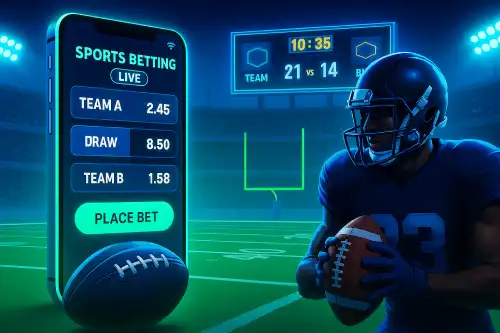
How American Football Odds & Markets Work
Decimal odds show total return (stake × odds). Popular markets:
-
Moneyline (ML)
Pick the winner. Useful when injuries/weather compress scoring or when you see a live underdog path (defense + run game + field position). -
Point Spread (ATS/Handicap)
Books add/subtract points (e.g., -3.5 favorite, +3.5 underdog). If you think the favorite wins by margin, lay the points; if you expect a tight game, take them. -
Totals (Over/Under)
Combined points. Driven by pace (plays per minute), efficiency (EPA per play/success rate), red-zone finishing, and weather. -
Quarters/Halves
1H/2H and Q1–Q4 markets let you target scripted starts or second-half adjustments. Great when one coach scripts elite first drives but fades later, or when depth overwhelms late. -
Player Props
Passing yards, rushing attempts, receptions, anytime TD. Anchor to usage + matchup (offensive line vs front seven; WR vs coverage type). -
Team Props
Team totals, first to X points, field goals made. Ideal when a team moves the ball but stalls in the red zone. -
Same-Game Angles & Live/In-Play
Correlate cautiously (e.g., dog + Under; fast, pass-heavy game + Over + receiver props). In-play, react to tempo, injuries, wind shifts, and pass-rush dominance you can see on drives.
What Actually Moves American Football Results
-
Trenches First (OL vs DL)
Pressure without blitz = defensive advantage. If the favorite’s QB faces constant pressure with four rushers, spreads and Overs are fragile. Conversely, a dominant OL unlocks play-action and clock control. -
QB Health & Play Style
Mobile QBs add rushing EPA and extend plays—but lingering injuries cap designed runs. Pocket QBs thrive vs soft zones and clean pockets; they crater vs interior pressure. -
Pace & Situation Neutrality
Look at neutral-situation pace (before late-game urgency). Two fast teams → more plays → Totals lean Over; slow, run-heavy teams compress possessions → Unders. -
EPA/Success Rate, Not Just Yards
Yards can be empty; EPA/play and success rate capture down-and-distance context. Efficient early downs beat boom-or-bust offenses long-term. -
Coverage & WR Matchups
Man vs zone splits matter. Elite WRs who roast man coverage can flip game scripts; heavy zone teams funnel targets to slot/TEs. -
Red-Zone & 4th-Down Tendencies
Aggressive coaches convert drives to points; conservative field-goal choices skew team totals and Unders. -
Weather & Kicking
Wind > rain for passing/kicking impact. Strong winds lower deep-ball success and long FGs—Totals and longest-FG props adjust. -
Rest & Travel
Short weeks (Thursday), international trips, or back-to-backs in hostile venues sap efficiency. Depth and special teams gain value.
Practical Angles American Football You Can Use
-
Dog + Under Correlation
If you like the underdog because of defense and run game, the clock likely moves—pair with Under or opponent team total Under. -
Scripted Start vs Adjustment Team
Back 1st quarter/1st half for scripted offenses; take 2H or live on well-coached teams that adapt and wear opponents down. -
Target Volume, Not Headlines (Props)
Receptions > receiving yards for slot/possession WRs vs soft zones. Rushing attempts outplay rushing yards when protecting a lead is the script. -
Pass-Rate Over Expectation (PROE)
Teams that pass more than expected remain live even when trailing—good for live Overs and WR props after slow starts.
American Football Bankroll & Discipline
-
Flat or % Staking: 1–2% of bankroll per play.
-
Bet Numbers, Not Teams: If line moves through key numbers (3, 7), re-price your edge.
-
Portfolio the Slate: Mix 1–2 spreads/totals with a couple of props and one small long-shot SGP—keep the lottery piece tiny.
-
Record-Keeping: Track closing line vs your ticket; beating the close is a strong signal your process works.
A 6-Step Pre-Bet American Football Checklist
-
Game Script (one sentence): “Low-pace trench fight” or “Fast, pass-heavy track meet.”
-
Trenches: OL injuries? Pressure rate allowed vs generated.
-
QB/WR Matchup: Man/zone splits, top corner availability, slot usage.
-
Pace & PROE: Neutral pace and pass rate vs expectation.
-
Weather & Kicking: Wind forecast, kicker range, stadium type.
-
Best Market Fit: Spread/ML, Totals, or Props that express the script—then lock unit size.
Common Mistakes
-
Chasing brand names → Fix: Price the matchup (trenches + coverage), not the logo.
-
Ignoring key numbers → Fix: Prioritize -2.5/+3.5 or -6.5/+7.5 over worse entries.
-
Overweighting last week’s blowout → Fix: Regress to season-long efficiency with injury/context adjustments.
-
Parlay spamming → Fix: Keep SGPs fun-size; core staking goes to singles.
American Football betting on Maxim88
In the Maxim88 sportsbook you’ll find full American Football coverage—moneylines, spreads, totals, quarters/halves, and deep player props with live updates. Start with one or two games, write your script, pick the single best market for that script, and stake a fixed unit. Expand only when your notes consistently match how games actually play.
Responsible Play: Set a weekly budget, respect your stop rules, and treat betting as entertainment backed by a process. If emotion creeps in, step away and review before the next kickoff.